Blurring the borders between art and reality: „The Walled Off Hotel“ by street artist Banksy features tourists and a view on one of the hotspots of the Israeli-Palestinian Conflict – an eight meters high concrete wall. Eylül Tufan took a look at the hotel and some of its pieces of art.
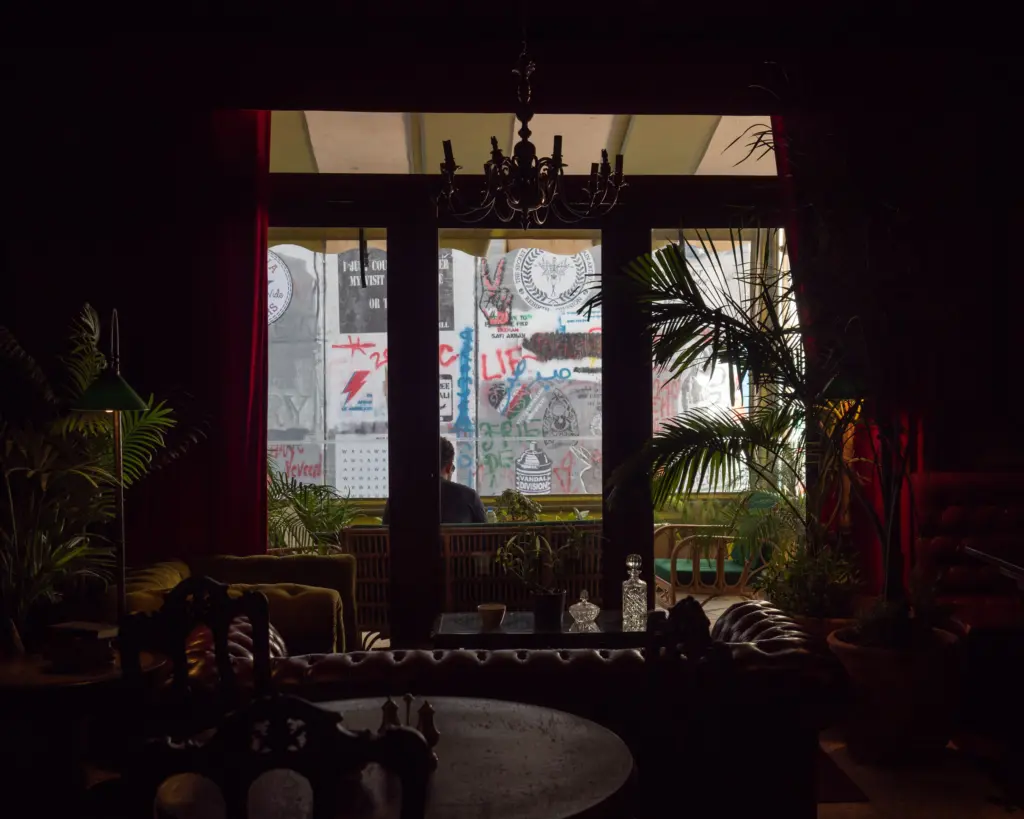
Surrounded by the eight meters high Israeli West Bank barrier - better known as Separation Barrier - the "Walled of Hotel" is known for its "worst view in the world". Photo/Mathias Birsens
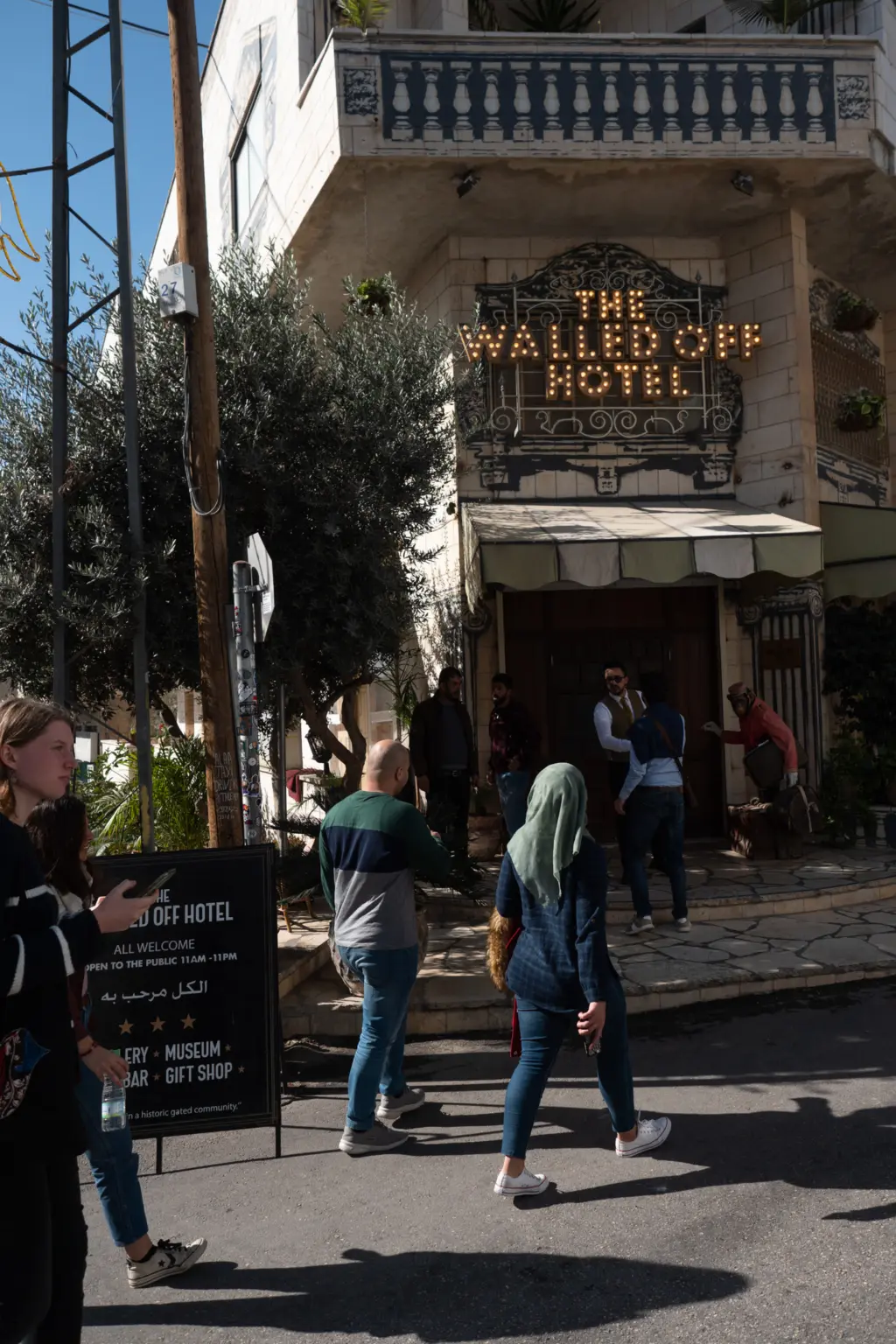
Since "The Walled Off Hotel" opened in 2017, it has become one of the most visited sights in Palestine. Located between the "Rachel's Crossing" checkpoint to Jerusalem and the centre of Bethlehem, the project by British street artist Banksy brings tourists from all over the world to one of the Israeli-Palestinian conflict hotspots. /Photo: Mathias Birsens
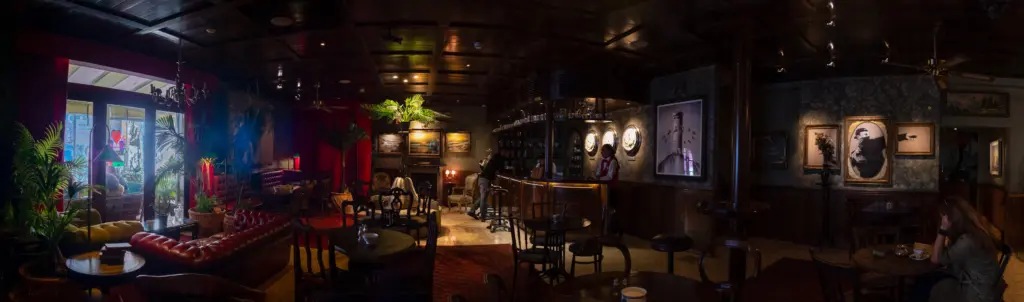
The colonial styled "piano bar" in the hotel's lobby refers to the year 1918 - when the British Mandate for Palestine (1918-1948) was established in the aftermath of the end of WWI. /Photo: Mathias Birsens
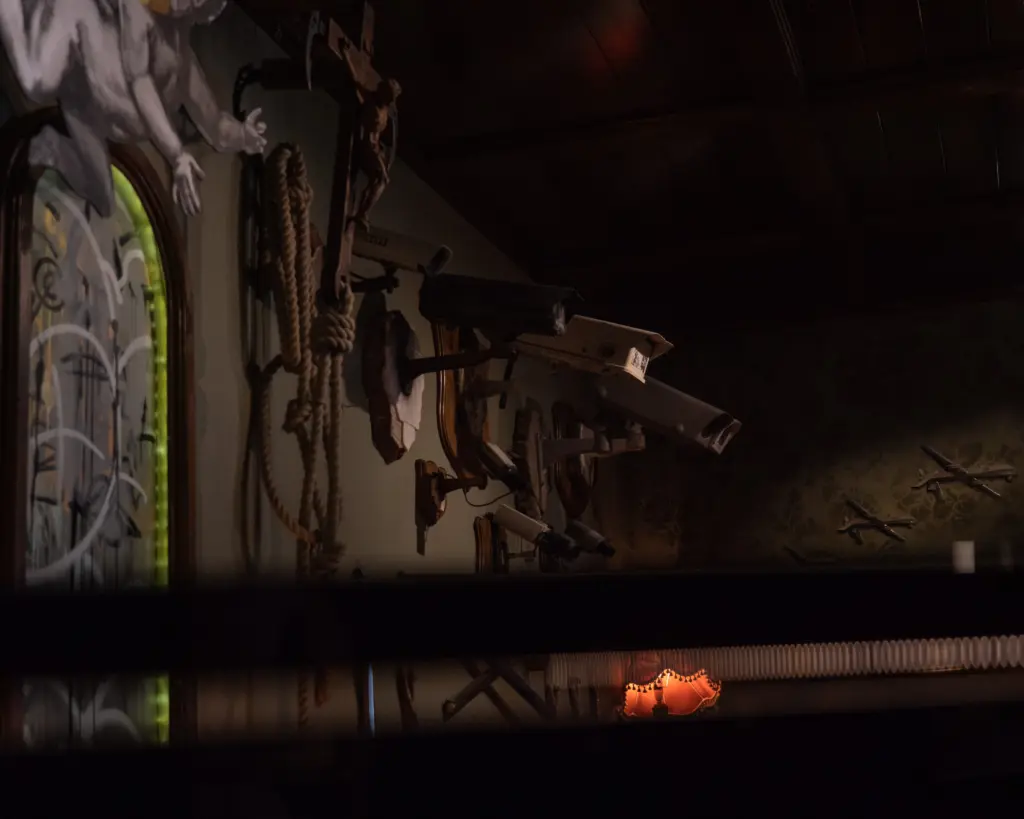
Big brother is watching you: security cameras mounted like hunting trophies decorate the hotel lobby’s walls. Starting in 2017, the Israeli military expanded video surveillance security cameras on roads, intersections, and in settlements within the West Bank. Photo: Mathias Birsens
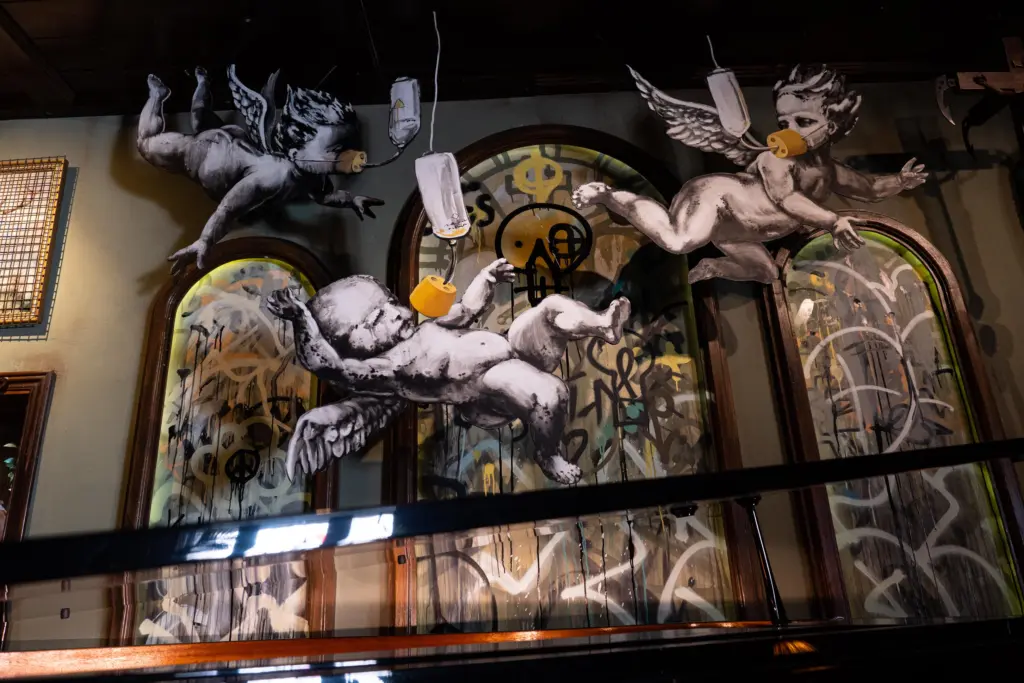
Angels falling down from heaven to the "holy land" wearing oxygen masks (artwork by Banksy). /Photo: Mathias Birsens
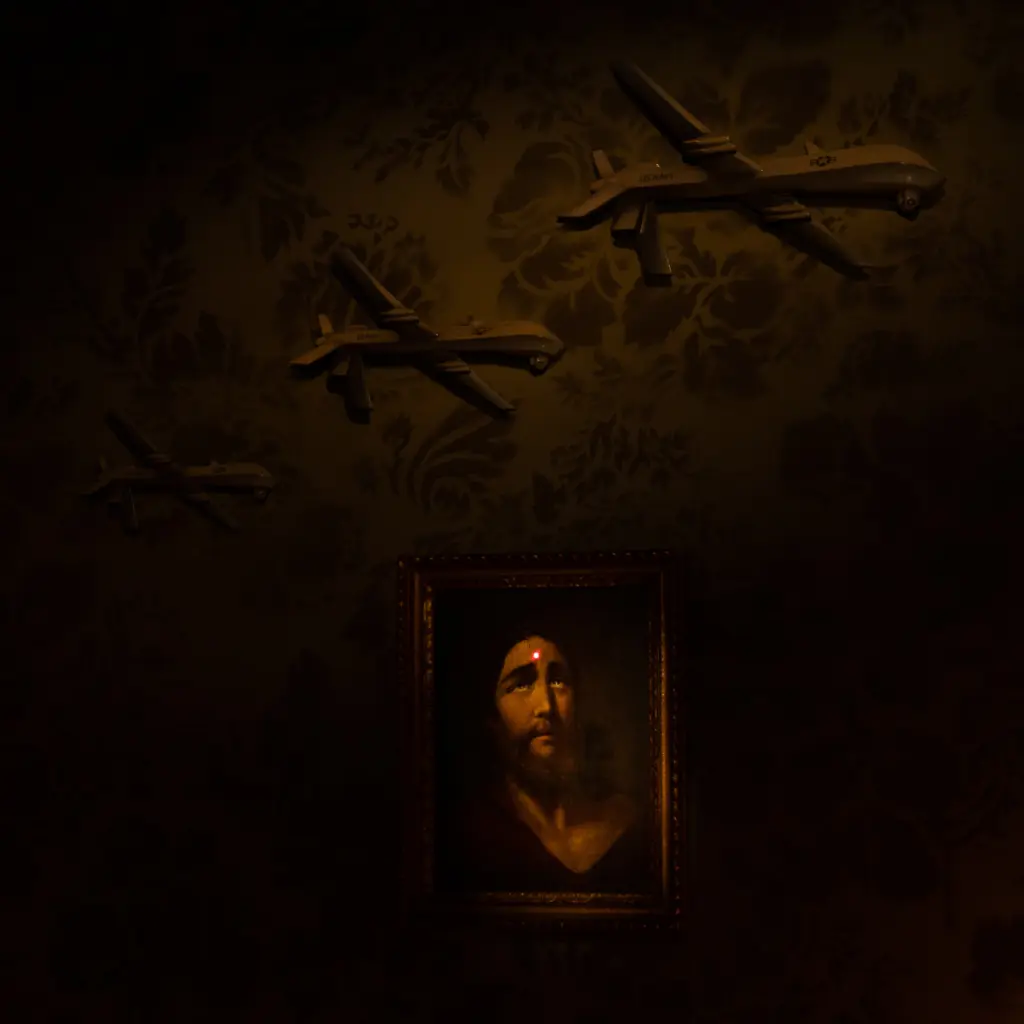
A portrait of Jesus targeted by three bombers flying over him (artwork by Banksy). Bethlehem, where Jesus was born about 2000 years ago, is one of the hotspots of the Middle East conflict and the location of violent clashes between Palestinians and the Israeli military. / Photo: Mathias Birsens
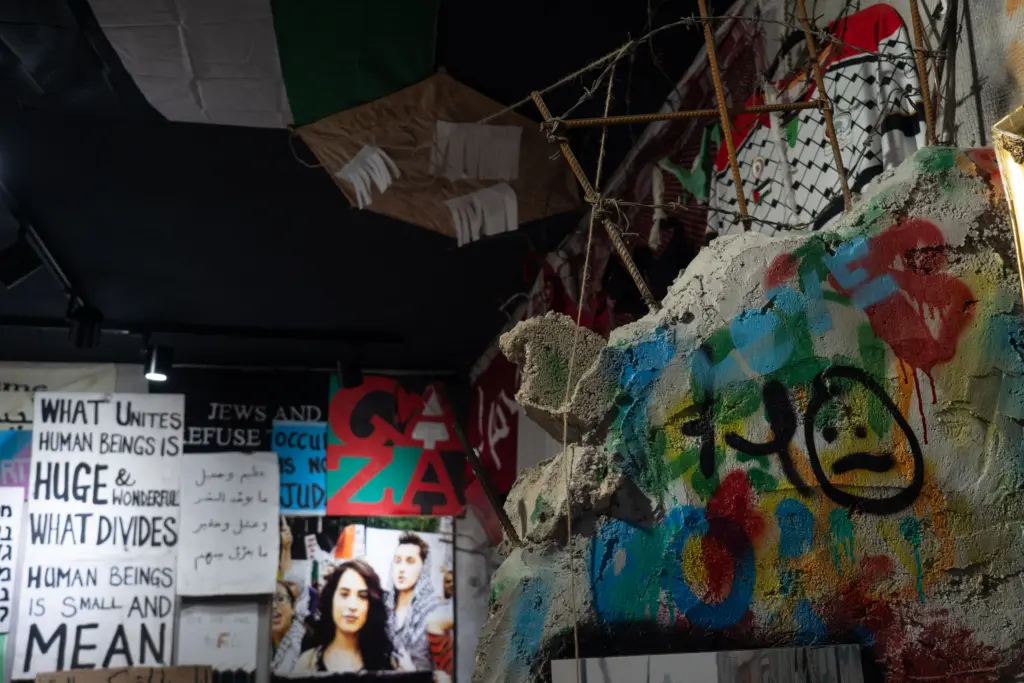
The "Occupation Museum" was curated in association with Dr. Gavin Grindon, senior lecturer for Philosophy and Art History at Essex University. Showing fact-checked material and artifacts donated by individuals, the exhibition tells the wall’s biography, personal stories, and gives insight into the Palestinian narrative of the conflict. / Photo: Mathias Birsens
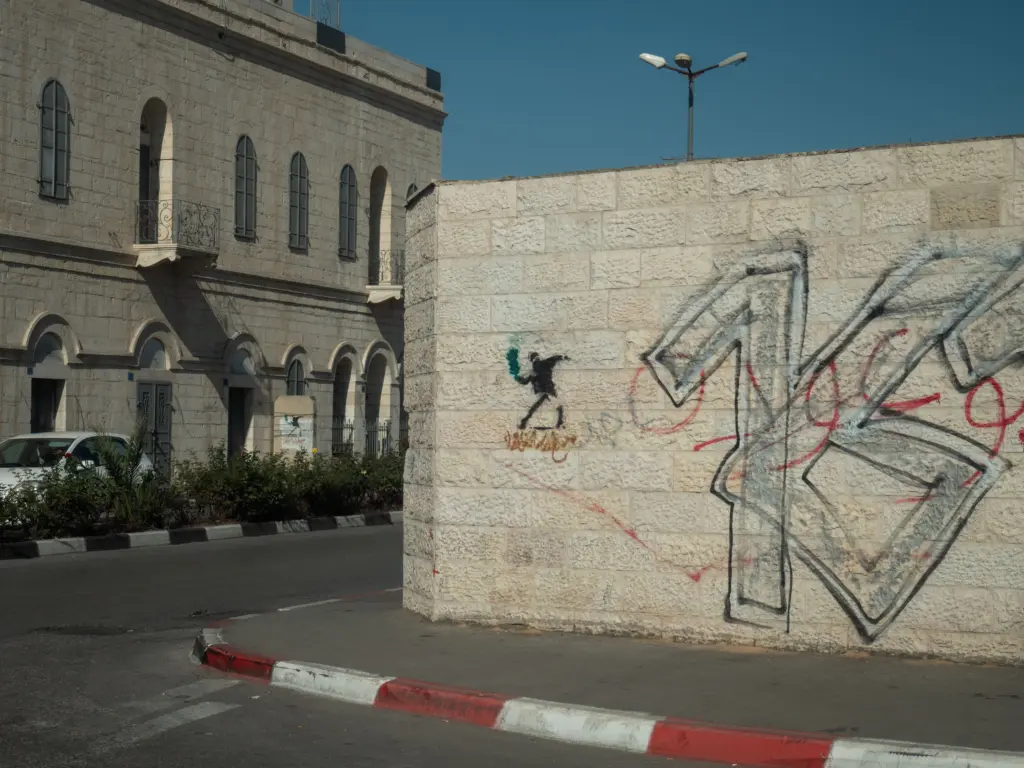
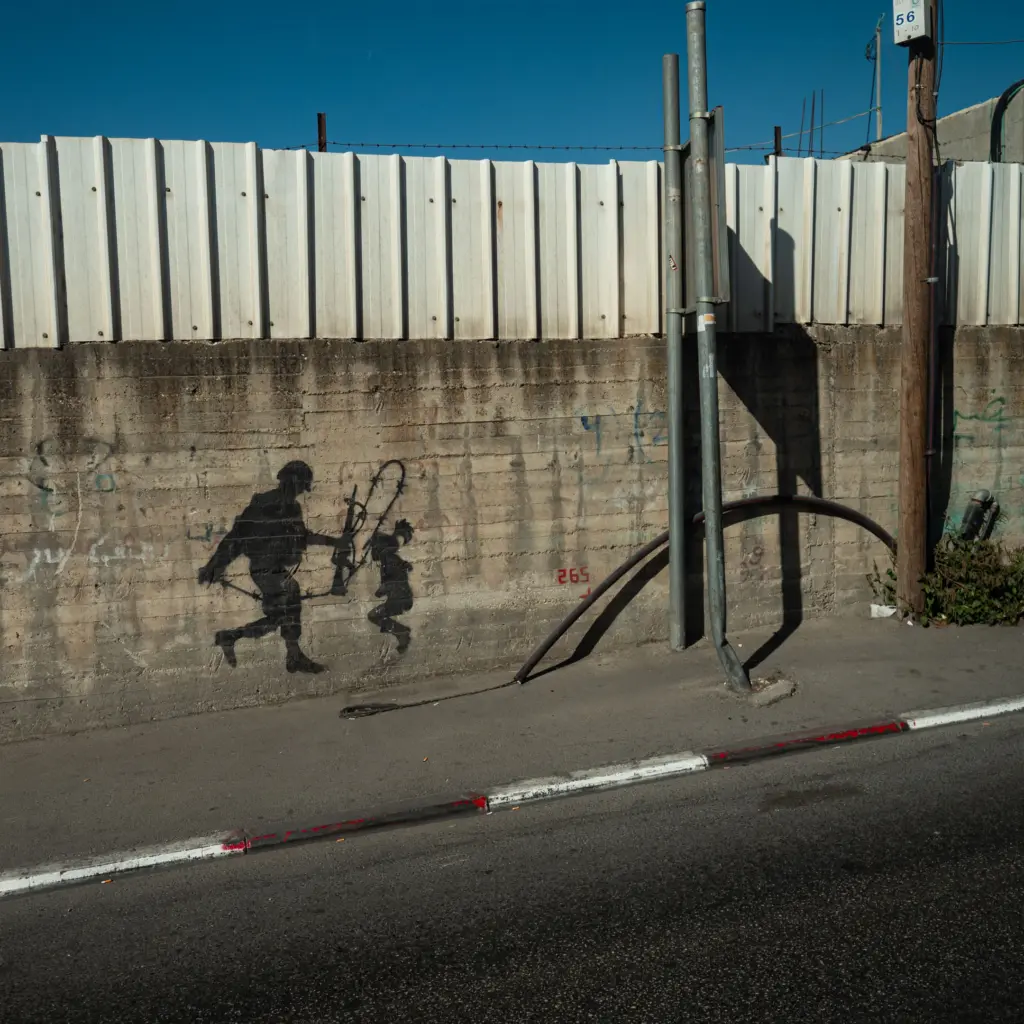
Originally spotted in Jerusalem, the "Flower Bomber" or "Rage, Flower Thrower" is located in the heart of the Israeli-Palestinian conflict – not only decorating the hotel lobby, but also several walls around the West Bank and Israel. The artwork is one of the most famous art pieces by Banksy and provides a universal message: the power of civil and non-violent resistance. Photo/Mathias Birsens
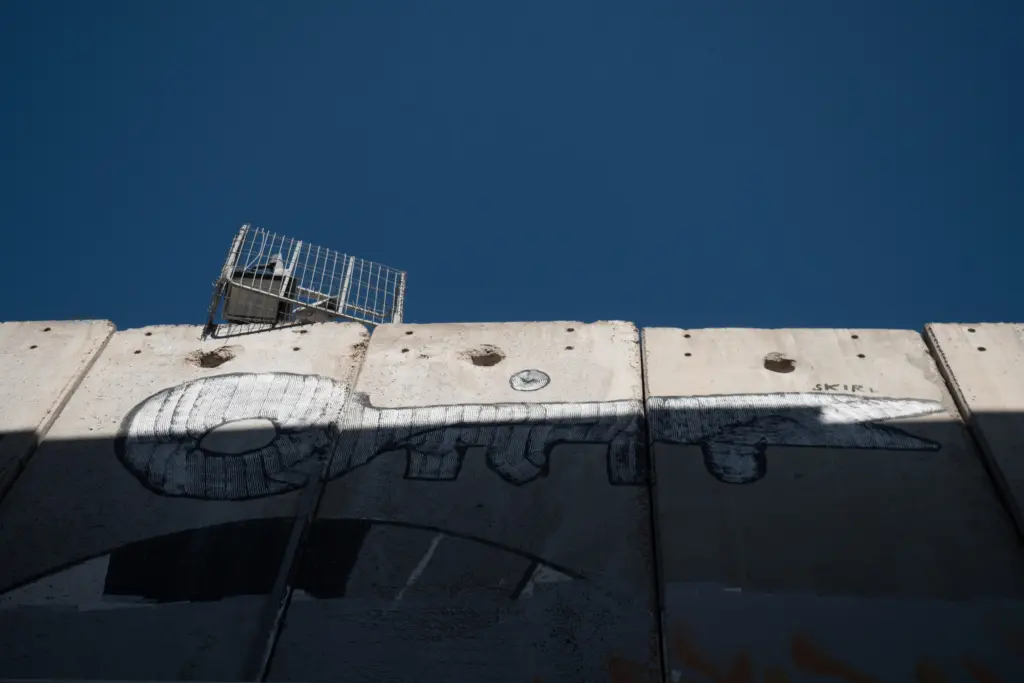
Many Palestinian refugees kept their keys as mementos of their homes lost during the Arab-Israeli War in 1948 – the "Nakba" (engl. "big catastrophe"), how the Palestinians call it – and the 1967 Six-Day-War. As a metaphor for the right to return, the key is a common Palestinian symbol for one of the main conflict issues – it can be found in many pieces on the Walls of Palestine (example: Bethlehem)./Photo: Mathias Birsens
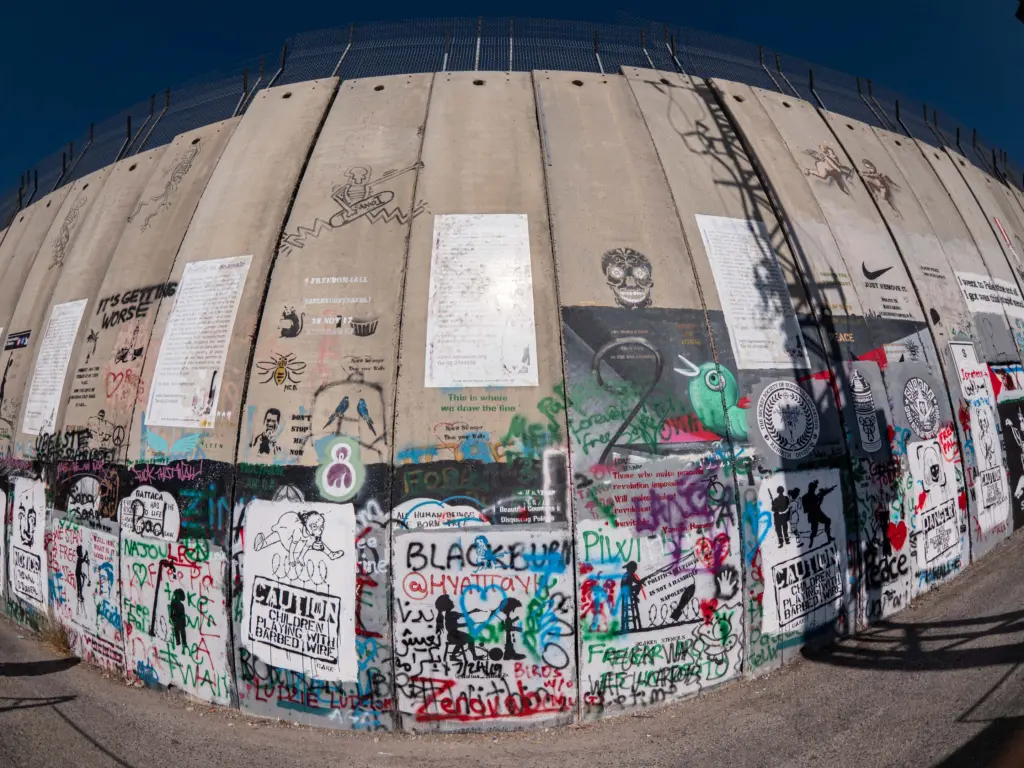
In 2005 street artist Banksy painted nine art works on the wall. Locals started to copy the motives and did their own writings and drawings. Also, international artists started to visit Bethlehem and involve themselves with the 8-meters high wall. The Israeli West Bank barrier is now a popular spot for graffiti artists expressing their political messages./ Photo: Mathias Birsens
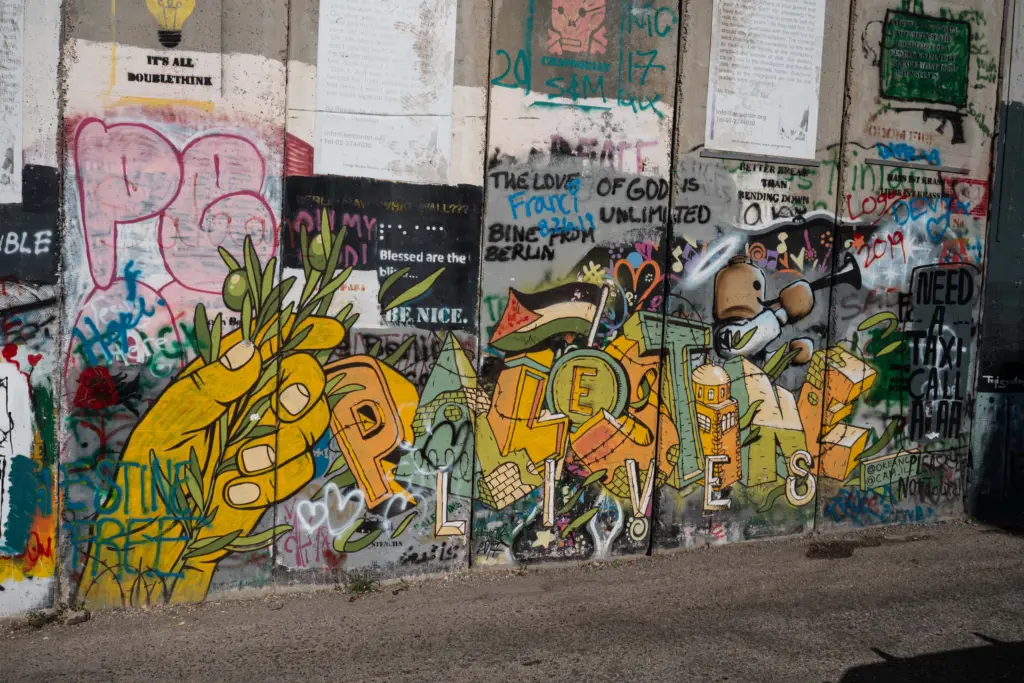
The Israeli West Bank barrier became a symbol for the power of peaceful protest and art as a tool of criticism. Nevertheless, the paintings on the wall are not uncontroversial: some Palestinians want the wall to remain unpainted, because it confronts the Palestinians with the conflict situation they currently live in. In their eyes, changing the walls appearance would "normalize" its existence. / Photo: Mathias Birsens
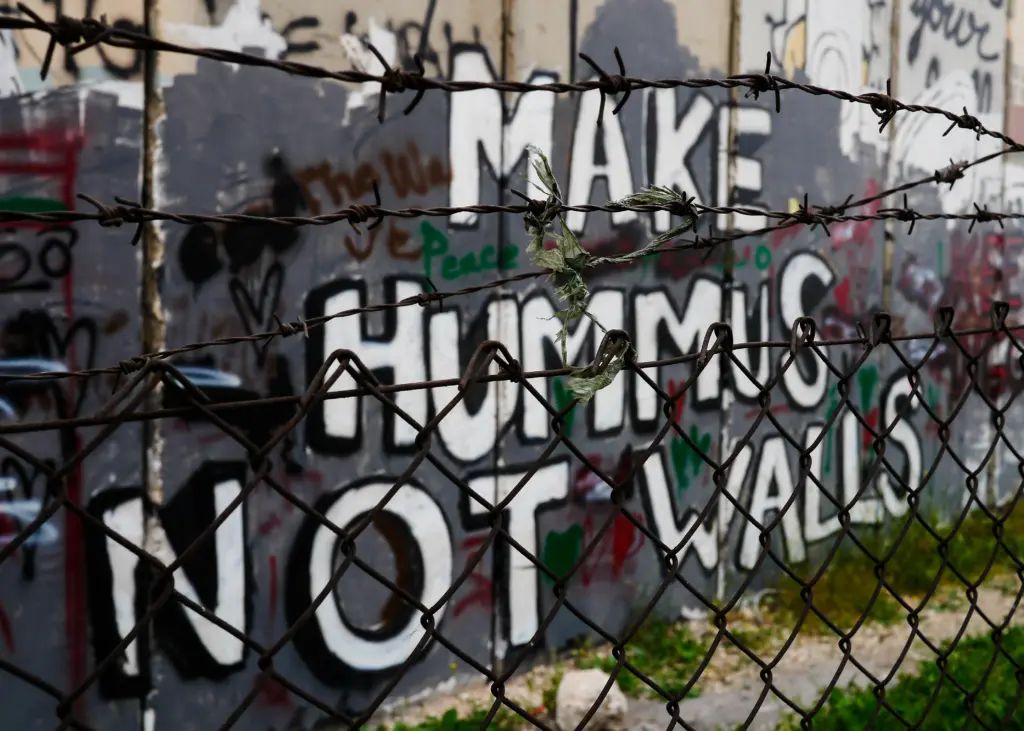
Hummus is a speciality from the middle east that is part of Israeli and Palestinian cuisine it connects both sides of the conflict – overcoming the wall between them. / Photo: Mathias Birsens
Empfohlene Beiträge

Realität aus, Reality an – wie toxisch ist unser Verhältnis zu Reality-TV?
Dennis Stockfisch